One of the most common questions for anyone thinking about switching from petrol or diesel is whether to go straight to a battery electric vehicle (BEV) or start with a plug-in hybrid (PHEV). Both have real advantages — and the right answer depends almost entirely on your circumstances. Here is what you need to consider.
What Is the Difference?
A Battery Electric Vehicle (BEV) runs entirely on electricity. It has no petrol engine and produces zero tailpipe emissions. Range is entirely dependent on the battery size, and when it runs out, you need to charge — there is no backup.
A Plug-in Hybrid (PHEV) combines a petrol or diesel engine with a battery and electric motor. You can drive on electric power for a limited range — typically 30 to 75 miles depending on the model — before the combustion engine takes over. You can plug in at home to charge the battery, or use the car as a conventional hybrid once the battery is depleted.
When a Full EV Makes More Sense
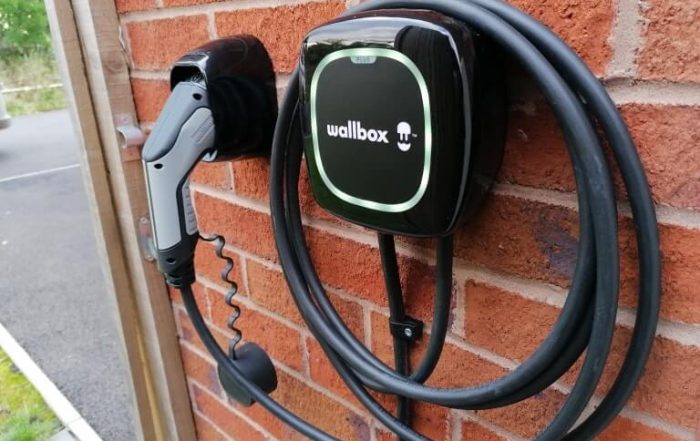
You can charge at home. This is the single most important factor. If you have a driveway and can install a home wallbox charger, a full EV is significantly cheaper to run. Overnight charging at off-peak rates typically costs around £400 per year for 10,000 miles — a fraction of petrol costs.
Your daily mileage is predictable. If you regularly drive 50–150 miles a day and charge overnight, a full EV with 200+ miles of real-world range will meet most of your needs without any anxiety.
You drive mostly in the city. EVs are most efficient at lower speeds where regenerative braking recovers energy effectively. Urban drivers often find their real-world range significantly exceeds what motorway driving would deliver.
You want the lowest running costs long-term. BEVs have fewer moving parts, no oil changes, and regenerative braking that extends brake pad life. Servicing costs are generally lower over time.
You want the best company car tax. In 2026/27, the BiK rate for fully electric cars is 4%. For a higher-rate taxpayer in an EV with a £40,000 list price, annual tax is around £640. The same car as a petrol could cost over £5,000 per year in tax.
When a PHEV Makes More Sense
You cannot charge at home. If you live in a flat, rent, or have no off-street parking, a PHEV operating without regular charging effectively becomes a heavier, more expensive petrol car. In this case, a full EV with access to reliable public charging may still be preferable to a PHEV used predominantly on petrol.
You regularly drive long distances. For motorway journeys exceeding 200–250 miles, range anxiety is a real factor with current BEVs, even with rapid chargers available. A PHEV removes this entirely — when the battery is depleted, the petrol engine takes over seamlessly.
Your daily driving varies unpredictably. If some days you drive 20 miles and others 200, a PHEV gives you flexibility that a current BEV may not. The best PHEVs — such as the MG HS (75-mile electric range), MG S9 (62 miles) and Jaecoo 7 (57 miles) — can cover most typical commutes on electricity, with petrol available for longer trips.
Charging infrastructure is limited where you travel. While the UK’s public charging network is expanding rapidly (over 70,000 public charge points as of early 2026), coverage is uneven. If you regularly travel to rural areas with few rapid chargers, a PHEV provides more reliable range coverage.
The Key Question
The single most useful question to ask yourself is: can I charge at home, and what does my typical daily mileage look like?
If your average day is under 60 miles and you can charge overnight, a full EV will almost certainly save you more money and offer a simpler ownership experience. If your average day varies widely, or you have no home charging, a PHEV is the more practical transition.
What the Numbers Say in 2026
- BEV BiK rate (2026/27): 4%
- PHEV BiK rate (2026/27): 9–17%, depending on electric range
- Average home charging cost per 10,000 miles: ~£400 (BEV), vs ~£1,500 for petrol
- Number of UK public charge points (May 2026): 70,000+
- EV market share of new car registrations (April 2026): 23.1%
Both technologies are genuinely practical choices in 2026. The transition to electric is no longer about early adoption — it is about finding the right fit for your life.